The Essence of Jeju in 14 Emails
A free-14 part DIY guide to unlock all that Jeju has to offer, packed with practical tips to discover the island yourself. Welcome to our island home!
A free-14 part DIY guide to unlock all that Jeju has to offer, packed with practical tips to discover the island yourself. Welcome to our island home!

If you hate hiking but don’t want to completely miss out on the natural beauty of Jeju, here’s a good compromise: a curated menu of hikes designed for reluctant walkers.
Slow travel doesn’t require months of time; even a week works if you skip the tourist checklist and pursuing meaningful local experiences. Ed and Sora wrap up the Hidden Jeju series by exploring activities perfect for slow travelers who want to experience
Ed and Sora announce a free trip planner app they built to help DIY travelers organize Jeju itineraries. The app features 50+ activities, from popular Instagram spots to slow traveler experiences, with KakaoMap links for each destination.
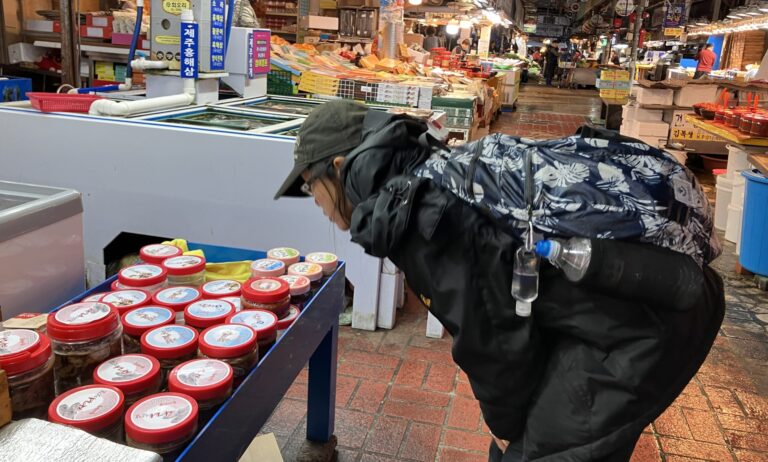
Jeju’s 9 five-day markets (오일장) are the antidotes to touristy Dongmun and Olle markets. Fresh produce, fair prices, no crowds, and an authentic window into local Jeju life. The hosts share some of their favorites.
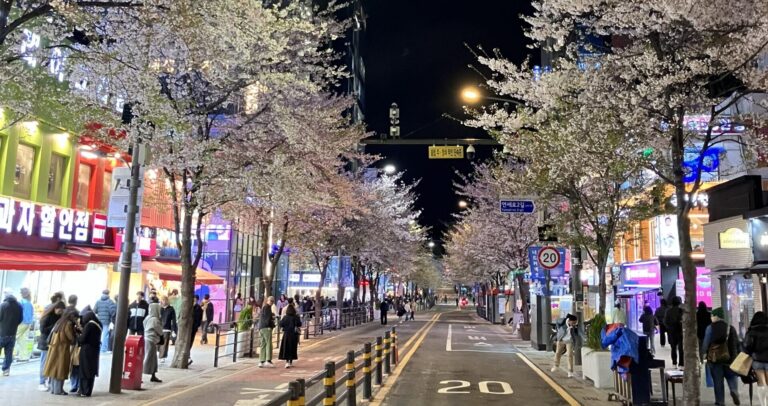
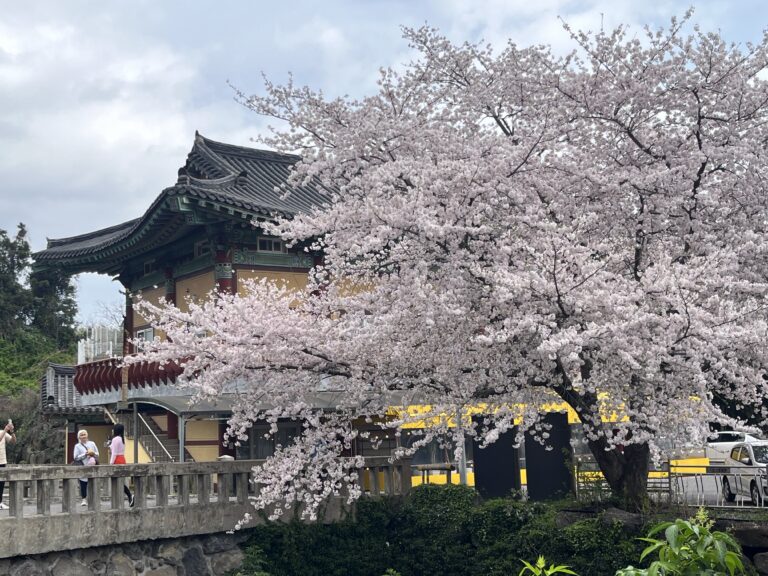
The cherry blossom season in Jeju is a great alternative to fighting crowds in Japan, especially since Jeju has its own endemic species — the King Cherry Blossom (왕벚꽃).
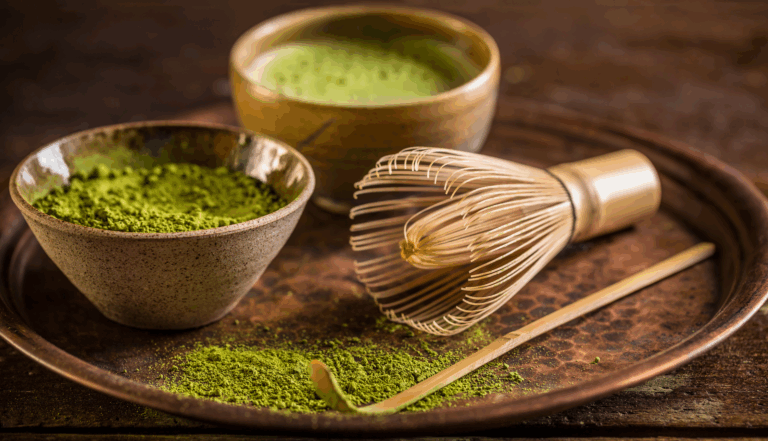
Jeju’s volcanic soil, clean filtered water, and humid climate make it ideal for tea cultivation, now rivaling Japan’s famous Uji region. The hosts discuss the difference between green tea (brewed leaves) and matcha (ground whole leaf), and recommend several tea plantations:
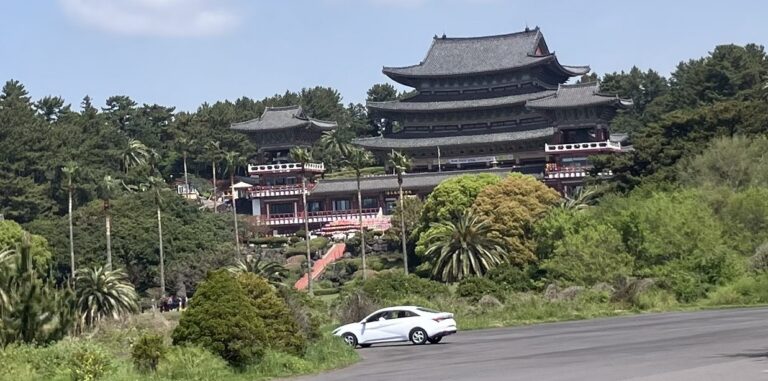
Ed opens with his “criminal history” — killing a rental car in Japan by putting diesel in a gasoline engine. This leads into a nuanced discussion of whether DIY travelers should rent a car.
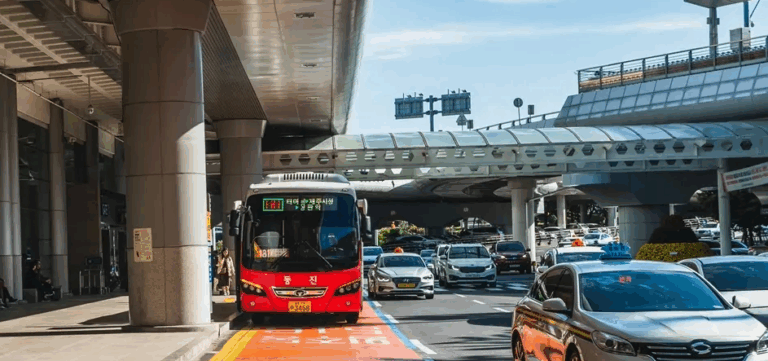
Find out how to get around Jeju on the excellent bus system. Your hosts cover bus colors and what they mean, the alternatives to T-Money cards, transfer rules, Also, they discuss how visitors can grab a cab without knowing Korean!
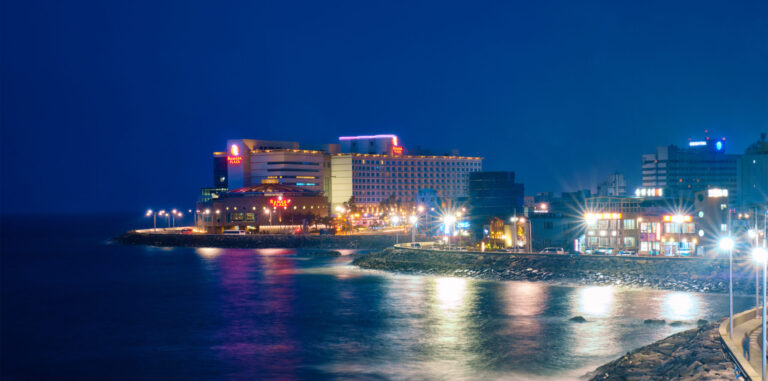
From budget roach motels to five-star Hyatts, this episode covers the full spectrum of Jeju accommodations. Ed and Soraya break down where to stay and the types of lodging available.
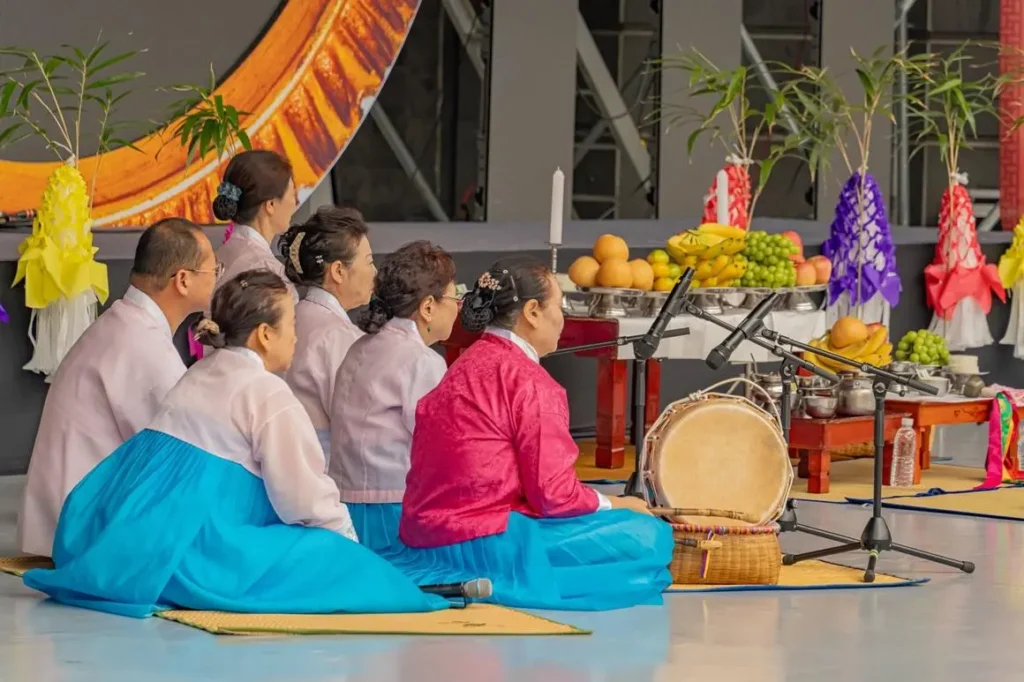
The tie between Jeju Shamanism and Haenyeos is a tight one. The haenyeo didn’t keep shamanism alive because they were superstitious. They kept it alive because they needed it.
If you hate hiking but don’t want to completely miss out on the natural beauty of Jeju, here’s a good compromise: a curated menu of hikes designed for reluctant walkers.
Slow travel doesn’t require months of time; even a week works if you skip the tourist checklist and pursuing meaningful local experiences. Ed and Sora wrap up the Hidden Jeju series by exploring activities perfect for slow travelers who want to experience
Ed and Sora announce a free trip planner app they built to help DIY travelers organize Jeju itineraries. The app features 50+ activities, from popular Instagram spots to slow traveler experiences, with KakaoMap links for each destination.
Jeju’s 9 five-day markets (오일장) are the antidotes to touristy Dongmun and Olle markets. Fresh produce, fair prices, no crowds, and an authentic window into local Jeju life. The hosts share some of their favorites.
The cherry blossom season in Jeju is a great alternative to fighting crowds in Japan, especially since Jeju has its own endemic species — the King Cherry Blossom (왕벚꽃).
Jeju’s volcanic soil, clean filtered water, and humid climate make it ideal for tea cultivation, now rivaling Japan’s famous Uji region. The hosts discuss the difference between green tea (brewed leaves) and matcha (ground whole leaf), and recommend several tea plantations:
Ed opens with his “criminal history” — killing a rental car in Japan by putting diesel in a gasoline engine. This leads into a nuanced discussion of whether DIY travelers should rent a car.
Jeju has 368 volcanic cones, 258 kilometers of coastline, and more Instagram-worthy cafés than you can visit in a week. What most visitors never find is silence. Real silence. The kind that only comes when you’ve put on grey temple clothes and
Find out how to get around Jeju on the excellent bus system. Your hosts cover bus colors and what they mean, the alternatives to T-Money cards, transfer rules, Also, they discuss how visitors can grab a cab without knowing Korean!
Jeju’s 9 five-day markets (오일장) are the antidotes to touristy Dongmun and Olle markets. Fresh produce, fair prices, no crowds, and an authentic window into local Jeju life. The hosts share some of their favorites.
Jeju has 368 volcanic cones, 258 kilometers of coastline, and more Instagram-worthy cafés than you can visit in a week. What most visitors never find is silence. Real silence. The kind that only comes when you’ve put on grey temple clothes and
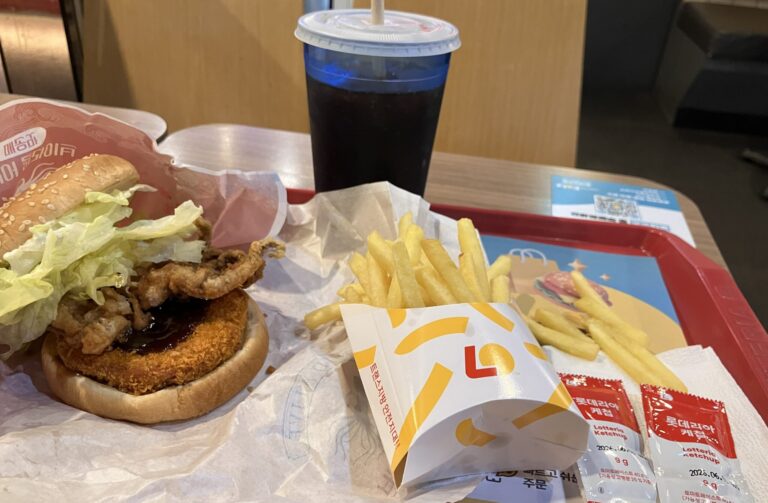
There is some nuance when we talk about Korean Fast Food, because there are the Western-style chains you’ll recognize from home. And then, the Korean alternatives that are at once similar and different!
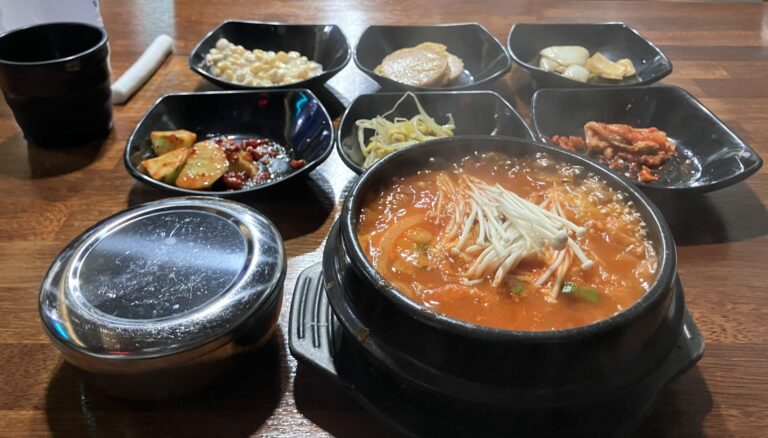
Korean comfort food and the Korean concept of Anju overlap and make up a whole dine-and-drink culture that most visitors never get to because it looks intimidating from the outside. Local places with signs and menus all in Korean, staff who speak
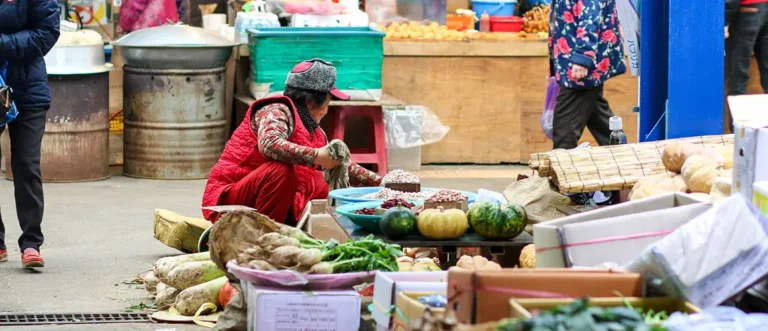
The five-day markets (오일장, o-il-jang) of Jeju are treasure troves of authentic experiences, quality produce, and fair prices. There are nine of them and each appears every five days at a fixed facility. The stalls are operated almost entirely by older locals
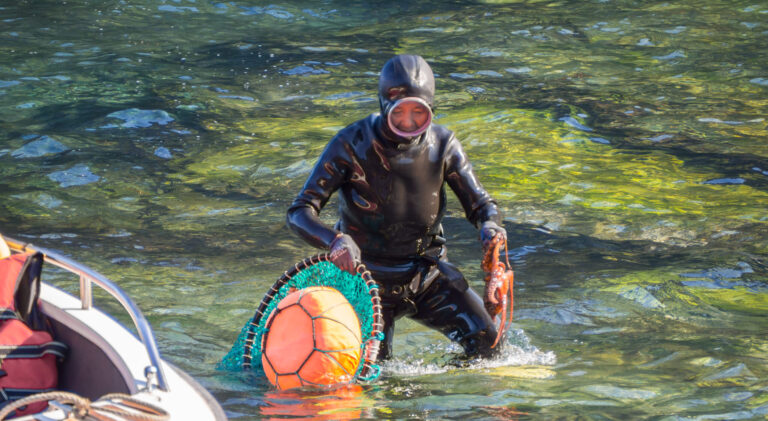
Want to understand one of Jeju’s most iconic cultural traditions before it fades? This episode dives deep into the world of the haenyeo (해녀)—the women divers who harvest seafood without air tanks, sometimes to depths of 20 meters.
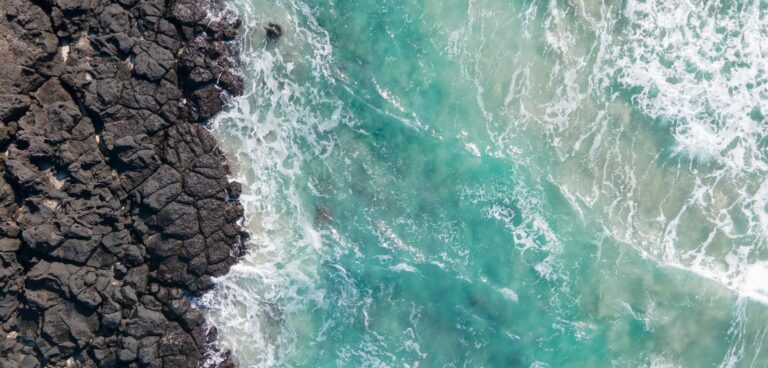
How much does a trip to Jeju actually cost? This episode breaks down every budget category: flights from Seoul, accommodations, transportation, food & drinks, and admission fees.
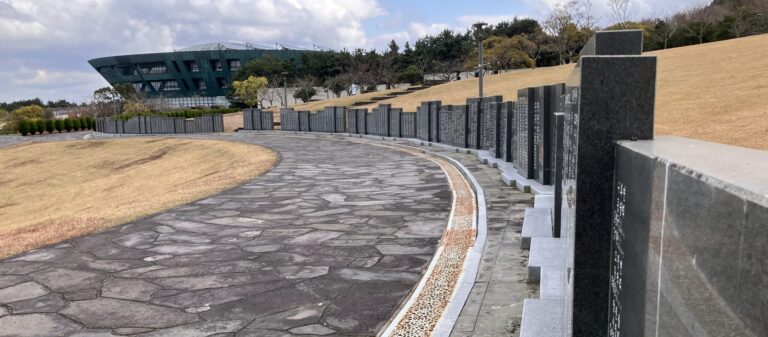
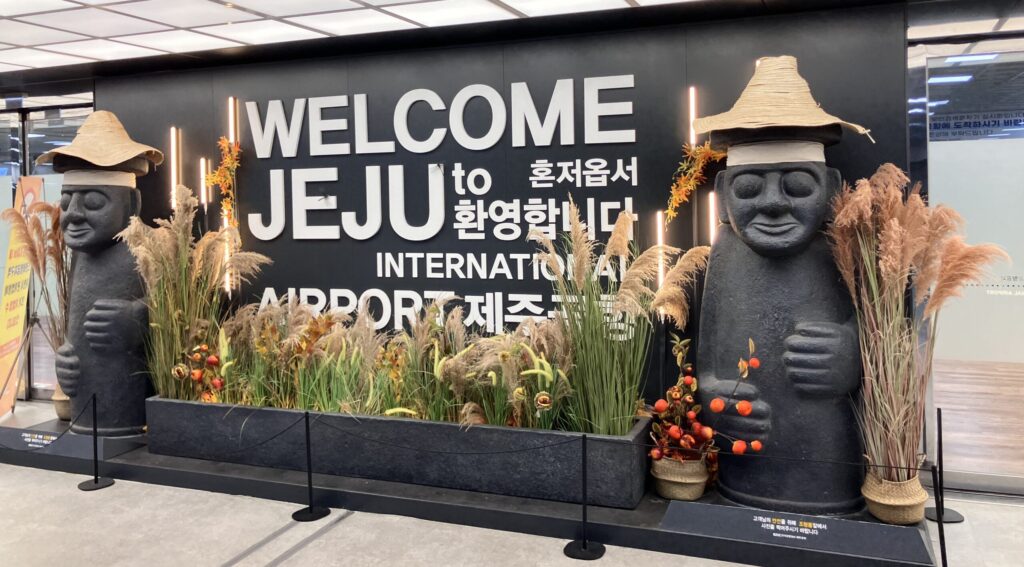
Jeju International Airport is one of Jeju’s largest massacre site. And almost no tourists know this. Whether it markets itself as a dark tourism destination or not, the trauma of the 4:3 massacre makes it one.
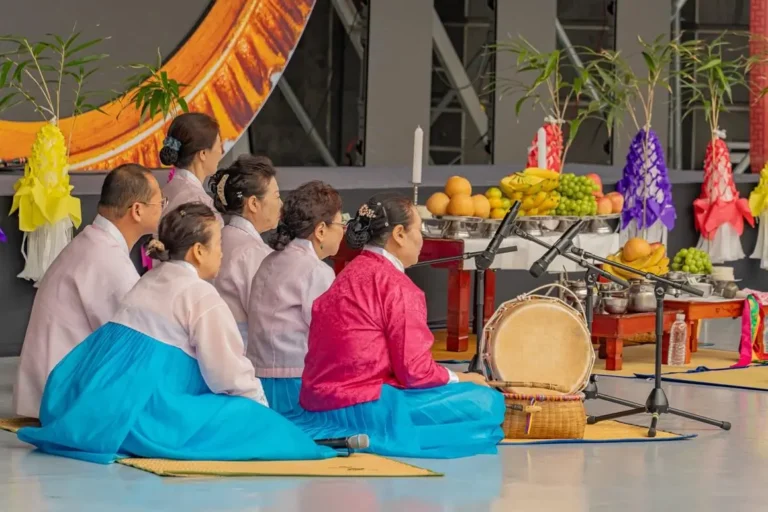
The tie between Jeju Shamanism and Haenyeos is a tight one. The haenyeo didn’t keep shamanism alive because they were superstitious. They kept it alive because they needed it.